

Advertisements have been highlighting the importance of choosing the right magnesium supplement for some time now. A common marketing tactic is using the term "natural" to attract potential consumers and encourage them to buy a particular product. However, when it comes to magnesium, whether it's natural or synthetic makes virtually no difference. What truly matters is the form of magnesium—this determines bioavailability, safety, and effects on your body. When deciding to supplement with magnesium, you need to consider which compound is actually in the product.
Understanding Magnesium Bioavailability
Not all magnesium supplements are created equal. The mineral must be bound to another substance (a carrier) to stabilise it, and this carrier dramatically affects how well your body absorbs and utilises the magnesium. Chelated forms—where magnesium is bound to amino acids or organic acids—generally offer superior absorption compared to inorganic forms. Understanding these differences can help you choose the most effective supplement for your specific needs.
Best and Recommended Magnesium Forms
Magnesium Citrate
Magnesium citrate is one of the most popular forms, primarily due to its exceptional bioavailability—reaching up to 90%, which is remarkable among all available magnesium forms. However, it's worth noting that citrate also acts as a mild laxative, making it particularly useful for those dealing with constipation. Magnesium citrate is an excellent choice for individuals with bowel irregularity, though it may not be suitable for those prone to loose stools.


Now Foods
Now Foods Magnesium Citrate 400 mg - 120 Veg Capsules
Regular price €17.69Unit price€0.15 each
Swanson
Swanson Magnesium Citrate Super Strength - 240 Tablets
Regular price €17.29Unit price€0.07 each

Life Extension
Life Extension Magnesium (Citrate) 100 mg - 100 Veg Capsules
Regular price €13.09Unit price€0.13 each


 10% off
Ostrovit
Ostrovit Magnesium Citrate 400 mg + B6 - 90 Tablets
Sale price €4.22 Regular price €4.69Unit price€0.05 each


Magnesium Taurate
Magnesium taurate is another highly absorbable form. The combination of taurine and magnesium helps stabilise cell membranes, which has significant implications for cellular health. Importantly, this form lacks laxative properties, making it suitable for everyone regardless of digestive sensitivity. Magnesium taurate is considered the optimal choice for individuals with cardiovascular concerns. It may help support heart rhythm regularity and protect blood vessels from damage associated with various cardiac conditions.


Aliness
Aliness Magnesium Taurate 100 mg with B6 (P-5-P) - 100 Capsules
Regular price €17.29Unit price€0.17 each


Magnesium Malate
Magnesium malate is the answer for those struggling with persistent fatigue. Malic acid—the carrier in this form—is a natural fruit acid present in the vast majority of cells in the human body. It's also a crucial component of enzymes that play key roles in energy production and ATP synthesis. This makes magnesium malate particularly valuable for supporting cellular energy metabolism and combating tiredness.


Now Foods
Now Foods Magnesium Malate 1000 mg - 180 Tablets
Regular price €20.79Unit price€0.12 each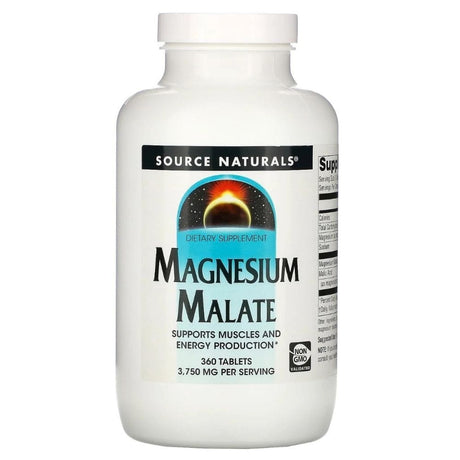
Source Naturals
Source Naturals Magnesium Malate 3750 mg - 360 Tablets
Regular price €43.29Unit price€0.12 each
Medverita
Medverita Magnesium Malate + P-5-P - 100 Capsules
Regular price €7.59Unit price€0.08 each
Aliness
Aliness Magnesium Malate 100 mg with Vitamin B6 (P-5-P) - 100 Capsules
Regular price €11.19Unit price€0.11 each
Biowen
Biowen Magnesium Malate 835 mg with Vitamin B6 (P-5-P) - 100 Capsules
Regular price €12.99Unit price€0.13 each


Magnesium Glycinate (Bisglycinate)
Magnesium glycinate—also known as magnesium bisglycinate—is considered the safest option among all magnesium forms for long-term supplementation. Magnesium bound to the amino acid glycine represents one of the most bioavailable forms available. Because of this efficient absorption, the laxative effect commonly associated with other magnesium forms is significantly minimised. The glycine component also offers calming properties, making this form excellent for those seeking relaxation and sleep support.
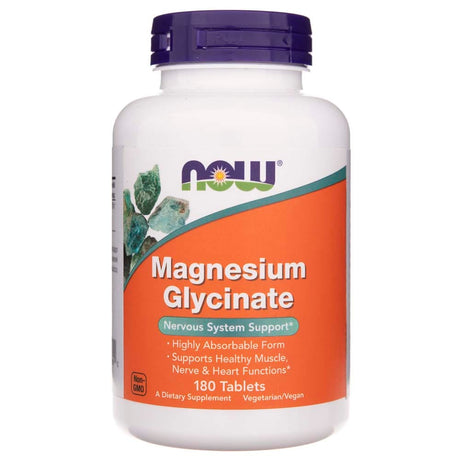


Now Foods
Now Foods Magnesium Glycinate 100 mg - 180 Tablets
Regular price €22.99Unit price€0.13 each

Reflex Nutrition
Reflex Nutrition Magnesium Bisglycinate, 375 mg - 90 Capsules
Regular price €9.29Unit price€0.10 each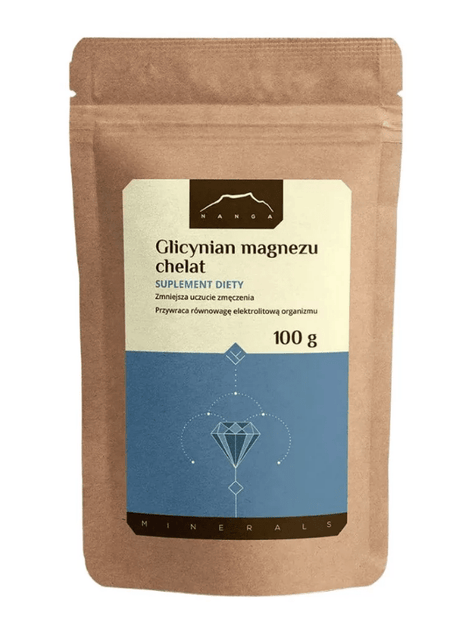

Biowen
Biowen Chelated Magnesium, Magnesium Diglycinate 840 mg - 100 Capsules
Regular price €14.09Unit price€0.14 each
Swanson
Swanson Albion Magnesium Glycinate, Powder - 150 g
Regular price €25.19Unit price€167.93 /kg


Magnesium L-Threonate
Magnesium L-threonate is a newer form specifically developed for cognitive support. Research suggests this form may cross the blood-brain barrier more effectively than other magnesium compounds, potentially supporting brain magnesium levels more efficiently. It's often recommended for memory support, mental clarity, and overall cognitive function. While typically more expensive, it may be worth considering for those prioritising brain health.
Magnesium Carbonate
Magnesium carbonate is another biologically active form worth considering. This compound converts to magnesium chloride when mixed with hydrochloric acid in the stomach. Due to its acid-neutralising properties, magnesium carbonate is an excellent choice for individuals suffering from acid reflux or indigestion. However, before reaching for this form, be aware that its absorption rate is relatively modest—approximately 30%—compared to chelated forms.
Use with Caution: Safe at Proper Doses
Magnesium Sulfate (Epsom Salt)
Magnesium sulfate, commonly known as Epsom salt, can help relieve constipation but cannot be considered a safe oral magnesium source due to how easily it can be overdosed. For this reason, it's best used externally in baths—though testing for allergic reactions first is advisable. Transdermal magnesium absorption through Epsom salt baths offers a way to potentially boost magnesium levels while avoiding the risks associated with oral overconsumption.
Worst Magnesium Forms: Not Recommended
Magnesium Oxide
Magnesium oxide is paradoxically one of the most common forms found in pharmacies and budget supplements. However, its absorption is extremely poor because it's not chelated—meaning it hasn't been converted into an organic form that the body can easily process. Organic compounds are inherently more bioavailable. Magnesium oxide bioavailability hovers around just 4%, making it one of the least efficient ways to supplement this essential mineral. While it contains a high percentage of elemental magnesium per dose, most of it passes through your system unused.
Magnesium Glutamate and Aspartate
These forms of magnesium should be actively avoided. Both glutamic acid and aspartic acid are components of certain artificial sweeteners and are considered potentially problematic. More concerning, both forms can be neurotoxic when not bound to other amino acids. There is no situation in which supplementing with these magnesium forms would be necessary or advisable—plenty of superior alternatives exist.
Choosing the Right Magnesium for Your Needs
With all the advantages and disadvantages of each form in mind, you can make an informed decision about which magnesium is most appropriate for your individual needs. Here's a quick reference guide:
- For general supplementation: Magnesium glycinate or citrate
- For constipation relief: Magnesium citrate
- For sensitive stomachs: Magnesium glycinate or taurate
- For heart health: Magnesium taurate
- For energy and fatigue: Magnesium malate
- For sleep and relaxation: Magnesium glycinate
- For cognitive support: Magnesium L-threonate
- For acid reflux: Magnesium carbonate
- For topical/bath use: Magnesium sulfate (Epsom salt) or magnesium chloride flakes
How Much Magnesium Do You Need?
The recommended daily intake of magnesium for adults ranges from 300-420 mg, depending on age and sex. However, many experts suggest that optimal intake may be higher, particularly for active individuals or those under chronic stress. Signs of magnesium deficiency can include muscle cramps, fatigue, irritability, poor sleep, and irregular heartbeat.
When choosing a supplement, pay attention to the amount of elemental magnesium per dose, not the total weight of the compound. For example, magnesium citrate might be listed as 500 mg per capsule, but only a portion of that is actual magnesium—the rest is citric acid.
For comprehensive mineral support, explore our full minerals collection to build a well-rounded supplementation routine tailored to your health goals.
Key Takeaway: The effectiveness of magnesium supplementation depends entirely on choosing the right form for your specific needs. Avoid cheap magnesium oxide and never use glutamate or aspartate forms. Instead, opt for highly bioavailable chelated forms like glycinate, citrate, taurate, or malate—each offers distinct benefits beyond basic magnesium replenishment. Match your choice to your health priorities, whether that's better sleep, more energy, cardiovascular support, or cognitive function.
This article is for information only and does not replace medical advice. If you have health concerns, are pregnant, breastfeeding or taking medication, consult a doctor or pharmacist. Dietary supplements are not a substitute for a varied diet.


