

Skin imperfections affect virtually everyone at some point — and blackheads are among the most common of them. They appear without warning, tend to cluster in the same areas, and have a frustrating habit of returning even after removal. Understanding why they form is the first step toward actually getting rid of them. This guide covers the biology of blackheads, the ingredients and products that work, and the habits that keep them from coming back.
What Are Blackheads — and Why Do They Form?
Blackheads (medically: open comedones) are a mild form of acne vulgaris — specifically classified as Acne comedonica when they appear in clusters. They form when dead skin cells and sebum accumulate inside a hair follicle opening, creating a plug. Unlike whiteheads, the follicle opening remains unobstructed, so the plug is exposed to air. Oxidation turns the surface dark — which is why the characteristic black dot appears. The colour is not dirt.
The causes are genuinely multiple and often overlapping: genetic predisposition, hormonal fluctuations, an overly rich or irritating skincare routine, prolonged stress, diet, and certain medications can all contribute to excess sebum production and abnormal keratin build-up in the follicle. Blackheads most commonly cluster in the T-zone (forehead, nose, chin) because sebaceous gland density is highest there.
One important distinction: while open comedones are the visible black-tipped variety, closed comedones (whiteheads) sit just below the skin surface and are more clinically significant — they are the direct precursors to inflammatory lesions, including painful cystic acne. Treating comedones early, before they become inflamed, is always the more effective approach.
Cleansing: The Non-Negotiable Foundation
Consistent twice-daily cleansing is the baseline of any blackhead-reduction routine. The goal is to remove excess sebum, environmental residue, and surface dead cells without stripping the skin barrier — because an over-stripped skin compensates by producing even more sebum, worsening the cycle. This means avoiding alcohol-heavy formulas, thick mineral oils, heavy silicones, and anything that leaves a visible film.
A low-pH gel or foam cleanser works well for oily and combination skin prone to comedones. Low-pH formulations (around 4.5–5.5) preserve the skin's natural acid mantle, which plays a direct role in regulating sebum and keeping bacterial populations in balance. Our facial cleansing collection includes several well-formulated options suited to blemish-prone skin.


 15% off
Heimish
Heimish All Clean Green Clay Foam - 150 g
Sale price €7.19 Regular price €8.49Unit price€4.79 /100g


The Acids That Actually Clear Pores
Chemical exfoliation is the most evidence-supported at-home intervention for blackheads. Two families of acids do the heavy lifting: AHAs and BHA. Neither category is harsh when used correctly — both are established cosmetic ingredients with well-understood mechanisms.
AHAs (Alpha Hydroxy Acids) work primarily on the surface of the stratum corneum, loosening the bonds between dead skin cells and supporting regular turnover. The most commonly used include glycolic acid (strong exfoliant, may irritate sensitive skin), mandelic acid (antibacterial and keratoregulating, penetrates more gently than glycolic), and lactic acid (exfoliates and hydrates simultaneously; lower concentrations work on the surface, higher concentrations reach slightly deeper and may also soften fine lines). Citric acid has mild exfoliating properties and helps regulate pH. All AHAs increase photosensitivity — daily SPF use is therefore non-optional when incorporating them into a routine.
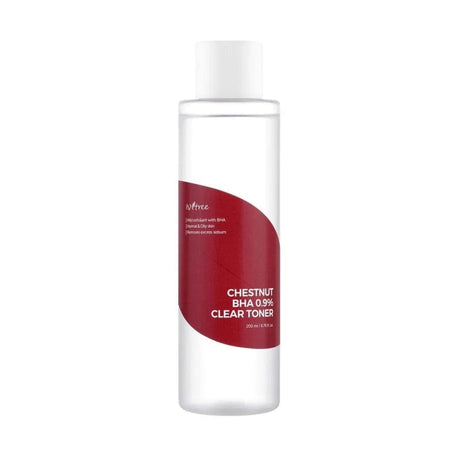
BHA (Beta Hydroxy Acid) — salicylic acid is the standout ingredient for blackhead-prone skin. Unlike AHAs, salicylic acid is oil-soluble, meaning it can penetrate directly into the sebum-filled follicle rather than acting only on the skin surface. It has bacteriostatic, antiseptic, and keratolytic properties — it dissolves the plug from within. Research supports its effectiveness at reducing both comedone count and size. At concentrations around 2% (the standard in leave-on cosmetics), it is well tolerated and safe for regular use.




Some by Mi
Some by Mi AHA-BHA-PHA 30 days Miracle Serum - 50 ml
Regular price €15.89Unit price€317.80 /L


Niacinamide: The Sebum Regulator
Niacinamide (vitamin B3) deserves special mention. It does not exfoliate, but it addresses blackhead formation from a different angle: it measurably reduces sebum secretion, strengthens the skin barrier, has anti-inflammatory properties, and helps fade post-inflammatory hyperpigmentation — the dark marks that linger after blemishes resolve. It pairs well with both AHAs and BHA, and is one of the most versatile and well-tolerated active ingredients in skincare. Concentrations of 10% are widely used and effective, with minimal risk of irritation at this level for most skin types.
Clay Masks and Physical Purification
Clay masks absorb excess sebum from the follicle opening and remove surface impurities, making them a useful addition to a weekly routine — particularly for oily and combination skin. Different clay types suit different needs. Green clay is the most purifying and sebum-absorbing, suited to oily and acne-prone skin. Red clay is gentler, with pore-tightening and mild soothing properties — appropriate for oily, combination, and sensitive skin. Yellow clay cleanses and regulates sebum production, suitable for most skin types including mature oily skin. White clay (kaolin) is the mildest option, suitable for dry and sensitive skin that still has enlarged pores. Blue/grey clay penetrates slightly deeper and absorbs sebum effectively — suited to oily, combination, and acne-prone skin.
For best results, apply clay after a gentle exfoliation (enzyme peel or mild AHA) on cleansed skin. Leave for the time specified by the manufacturer — do not allow it to dry completely on sensitive or dry areas, as over-drying causes irritation. Explore our masks and clays collection for a full range of options.

Beauty of Joseon
Beauty of Joseon Red Bean Purifying Clay Mask - 140 ml
Regular price €14.89Unit price€10.64 /100ml-
15% off
Heimish
Heimish All Clean Green Clay Foam - 150 g
Sale price €7.19 Regular price €8.49Unit price€4.79 /100g

Serums That Support Long-Term Skin Balance
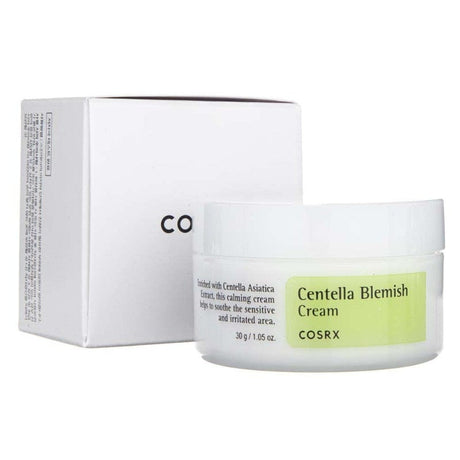
Consistent use of targeted serums addresses the underlying skin environment — not just the visible blackhead. A niacinamide serum reduces ongoing sebum excess. A BHA-based essence or toner provides regular, gentle in-follicle exfoliation without the intensity of a dedicated acid product. Centella asiatica-based formulations calm the low-grade inflammation that often accompanies congested skin. Propolis extract has antimicrobial and barrier-supporting properties that make it well suited to blemish-prone skin.
For more advanced cases where comedones are persistent or beginning to transition to inflammatory acne, retinol (vitamin A derivatives) may be worth introducing at low concentrations. Retinol normalises follicular keratinisation — the abnormal cell build-up inside the pore that starts the whole process — and has the most robust evidence base of any topical ingredient for acne-prone skin. Start low and go slow: 0.1% to 0.2% for a few weeks before considering higher concentrations. Find these and related serums in our facial acids, oils and serums range.


Beauty of Joseon
Beauty of Joseon Serum with Propolis & Niacinamide Glow - 30 ml
Regular price €15.89Unit price€5.30 /10ml




Diet, Lifestyle and Skin Health
Diet alone does not cause or cure acne, but it is a contributing variable in the broader picture. Refined sugars and high-glycaemic foods drive insulin spikes that stimulate sebum production and follicular keratinisation. Reducing simple carbohydrates and increasing dietary antioxidants — vitamins A, C, E, and zinc — may support clearer skin as part of a comprehensive approach. Vitamin B2 (riboflavin) and B6 (pyridoxine) are specifically associated with sebum regulation, while vitamin B3 (niacin) has anti-inflammatory properties. Persistent stress, disrupted sleep, and inadequate hydration also adversely affect skin barrier function and sebaceous activity.
Blackheads respond well to consistent, targeted care — but only when the routine is built on the right foundations: low-pH cleansing, regular chemical exfoliation, and ingredients that regulate sebum rather than simply mask the symptoms. Patience matters as much as product choice: visible improvement typically takes four to six weeks of consistent use, and the goal is long-term skin balance, not an overnight fix. Our skin and body care collection brings together a wide selection of tried-and-tested options to support exactly that.
This article is for information only and does not replace medical advice. If you have health concerns, are pregnant, breastfeeding or taking medication, consult a doctor or pharmacist. Dietary supplements are not a substitute for a varied diet.


