

The earliest references to burning dried plant material as incense appear in ancient manuscripts and clay tablets — a practice as old as fire itself. Today, this centuries-old tradition is experiencing a genuine revival, particularly in urban environments, where natural incense is embraced as a tool for spiritual development, mindfulness, and everyday air purification. Whether you're drawn to the ritual or simply the scent, understanding how to choose the right incense makes all the difference.
What Are Natural Incense and Incense Sticks?
Natural incense consists of blends of herbs, woods, flowers, resins, and other plant-derived materials that, thanks to their inherent combustibility, release aromatic smoke when burned. The practice spans every inhabited continent and every era of human history. The Maya and Aztecs of South America used copal and Palo Santo, the Sumerians burned frankincense bark and oils, while ancient Egyptians relied on myrrh in their ceremonies.
What makes natural incense distinct from synthetic alternatives is the purity of its composition. Today's natural incense sticks, cones, and bundles remain true to these roots — clean blends of botanical materials, free from artificial fragrances and chemical binders. Their effects on mood, concentration, and atmosphere are no coincidence; they reflect thousands of years of accumulated knowledge about plant aromatics.
Types of Natural Incense: Sticks, Cones, Bundles and More
Incense comes in many forms, each with its own burn characteristics and best use cases. Knowing the differences helps you choose the format that suits your needs and living space.
- Incense sticks — the most popular and widely recognised format. A bamboo or plant-fibre core is coated with a blend of dried botanicals held together with natural plant resins. Sticks burn slowly and steadily, releasing a consistent, fine-grained smoke. They work well in any room and are easy to use with a simple holder.
- Incense cones — shaped from a combination of plant materials and essential oils, cones burn faster than sticks and produce a denser, more concentrated smoke. They are a favourite in meditation and ceremonial contexts, where a stronger aromatic presence is desired.
- Rope and string incense — made from ground dried flowers and leaves, mixed with essential oils and rolled or twisted into decorative strands. Some varieties can diffuse their aroma without direct flame, making them a gentler option for sensitive spaces.
- Powdered incense — typically based on ground plant resins enriched with essential oils. Burned on heat-resistant surfaces over charcoal discs, powdered incense releases a rich, layered aromatic profile valued for its depth and intensity.
- Plant bundles — the least processed form, crafted directly from bark, flowers, and leaves, often harvested from mature plants. Because they undergo no manufacturing, bundles preserve the plant's full natural aromatic complexity and are associated with the strongest traditional properties.
What Is Natural Incense Used For?
Beyond their ceremonial heritage, natural aromatic incense sticks and other formats have found a firm place in contemporary daily life. In aromatherapy — a discipline with roots stretching back millennia — incense is used as a practical tool for managing common states and improving environmental wellbeing.
- Stress reduction and sleep support — incense made from lavender, sandalwood, or rosemary is widely valued for its calming effect. Research suggests that linalool, a terpene found in several botanicals used in incense production, may activate GABA receptors associated with relaxation and healthy sleep patterns.
- Air purification and deodorising — burning natural incense is a quick and effective way to neutralise unwanted odours. Many aromatic compounds found in plant-based incense also carry antibacterial and antiviral properties, contributing to a cleaner indoor environment.
- Focus and spiritual practice — incense has long been used during yoga, meditation, and prayer to sharpen concentration, improve mood, and create a sensory anchor for ritual. The ritualistic act of lighting and watching incense burn can itself serve as a mindfulness exercise.
- Creative stimulation — of all the senses, smell produces the most direct and vivid associations. A carefully chosen scent can evoke memories, lift mood, and shift the quality of attention — something many artists and writers have long relied upon.
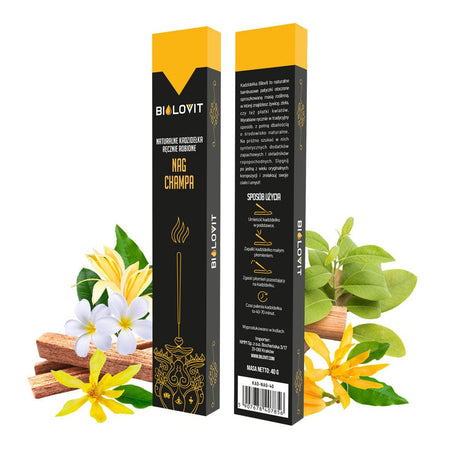

 25% off
Bilovit
Bilovit Natural Aromatic Incense Sticks Nag Champa - 40 g
Sale price €2.76 Regular price €3.69Unit price€0.69 /10g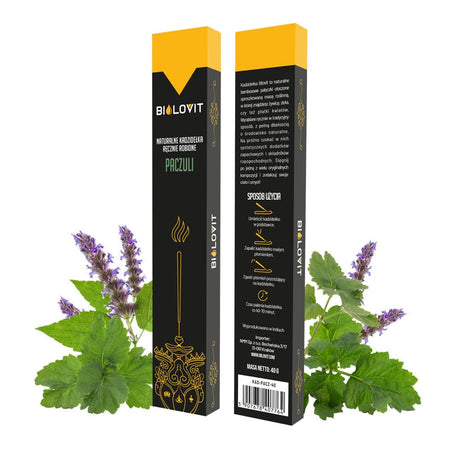

 25% off
Bilovit
Bilovit Natural Aromatic Incense Sticks Patchouli - 40 g
Sale price €2.76 Regular price €3.69Unit price€0.69 /10g

 25% off
Bilovit
Bilovit Natural Aromatic Incense Sticks Frankincense - 40 g
Sale price €2.76 Regular price €3.69Unit price€0.69 /10g


How to Use Natural Incense Correctly
Using incense effectively requires a little more than just lighting a stick. To get the most from your aromatic session, you will need three things: a heat-resistant holder, a lighter or matches, and your chosen incense.
- Place the incense securely in or on a dedicated incense holder on a stable, heat-resistant surface.
- Light the tip of the stick or cone and allow it to catch for a few seconds, then gently blow out the flame. For powdered incense, place it on a glowing charcoal disc and fan lightly until it begins to smoke.
- Once the aroma begins to fill the room, you can sit still or walk slowly through the space, allowing the smoke to circulate.
- Leave the incense to burn fully in its holder. If you wish to extinguish it early, press the lit tip gently into sand, water, or a fireproof surface.
Always burn incense in a well-ventilated space and keep it away from flammable materials, children, and pets.
Popular Varieties: Choosing the Right Incense for You
When selecting natural incense, consider five factors: origin and production method, botanical ingredients and their scent profile, burn time, ease of use, and intended purpose. The following varieties are among the most valued and widely used.
Indian Incense Sticks
India is widely regarded as the home of incense. Originally described in the ancient Vedic texts as essential tools of Ayurvedic practice, Indian incense sticks were first crafted by monks and later by artisans committed to traditional methods. They are available in stick and cone formats and offer an exceptionally wide range of scent profiles — from earthy and resinous to floral and sweet. Among the most recognised globally are Nag Champa and Dragon's Blood, both of which feature in our incense sticks collection.
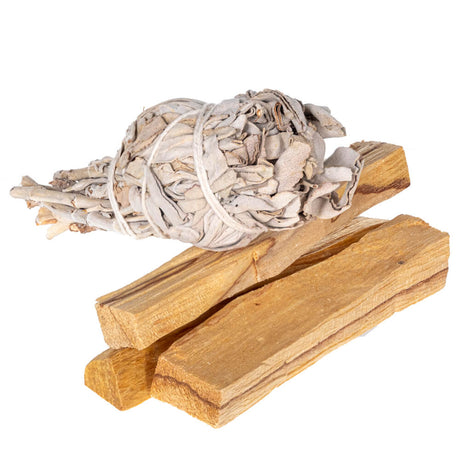
Palo Santo Incense
Palo Santo — "holy wood" in Spanish — comes from tropical South America, where it has been used for generations in ceremonial and healing contexts. What makes Palo Santo particularly notable is its sustainable sourcing: the wood is collected exclusively from naturally fallen trees, making it one of the most ecologically responsible incense materials available.
Its aroma is woody, resinous, and subtly fresh — often described as grounding and uplifting simultaneously. Palo Santo is commonly used in spiritual cleansing, meditation, and creative work, and is said to help release negative emotions and support a calm, focused state of mind.
White Sage Incense
White sage is considered one of the most powerful cleansing and protective plants in the botanical world. Its sharp, herbaceous scent has long been used by indigenous peoples of North America — particularly in smudging rituals — for purifying spaces, objects, and people. Beyond its ceremonial significance, white sage has a demonstrable deodorising effect and contains natural compounds that may help clear airborne pathogens. Its clean, mint-like aroma is also valued for promoting a sense of relief and calm.
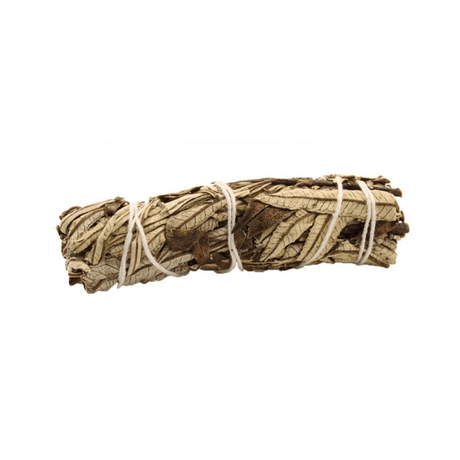
Yerba Santa Incense
Yerba Santa is a native Californian medicinal plant whose Spanish name translates literally as "holy herb." It carries a pleasantly complex scent — herbal and slightly bitter at first, with a sweet, almost balsamic finish. Traditionally used to clear negative energy, Yerba Santa is now favoured in aromatherapy for its calming effect on the nervous system and its association with morning yoga and breathwork practices.




How to Choose the Best Natural Incense
There is no universally "best" incense — the right choice depends on what you want to achieve, the size of your space, and your personal sensitivity to scent. As a starting point, consider these criteria:
- Production origin and method — traditionally crafted incense from India or South America typically offers greater botanical authenticity
- Ingredient transparency — look for products that list their botanical components clearly
- Burn time — sticks burn slowly for extended sessions; cones burn quickly for a concentrated burst of scent
- Ease of use — sticks require only a basic holder; powdered incense needs charcoal and a fireproof dish
- Purpose — relaxation calls for lavender or sandalwood; cleansing rituals suit white sage or Palo Santo; meditation often pairs well with frankincense or Nag Champa
If you are new to natural incense, sets containing multiple varieties are an excellent way to explore different aromatic profiles before committing to a larger quantity. You can browse our full selection in the aromatherapy collection, and pair your incense practice with complementary essential oils for a complete sensory experience.
This article is for information only and does not replace medical advice. If you have health concerns, are pregnant, breastfeeding or taking medication, consult a doctor or pharmacist. Dietary supplements are not a substitute for a varied diet.


