

Mushrooms have been valued by humans for centuries — for their flavour, their aroma, and their ability to enrich meals. But certain species go far beyond culinary appeal. They belong to the category of functional foods — ingredients that, when consumed regularly, may offer health benefits beyond basic nutrition. One of the most fascinating examples is Lion's Mane mushroom (Hericium erinaceus). Used for over a thousand years in traditional Chinese medicine, it is now gaining serious attention from researchers and health-conscious consumers across Europe. So what makes this unusual-looking fungus so remarkable?
What Is Lion's Mane Mushroom?
Lion's Mane (Hericium erinaceus) is an edible mushroom from the Hericiaceae family. It grows naturally on dead or dying hardwood trees — particularly beech — primarily across the northern hemisphere, in shaded deciduous and alpine forests. Its fruiting bodies range from 5 to 40 cm in diameter, with a creamy white colour that gradually turns brown with age. The texture is distinctly fleshy, covered in long, cascading spines that give it an appearance unlike any other mushroom.
In the kitchen, Lion's Mane is prized in Asian cuisine for its intense aroma and a flavour often compared to shellfish — somewhere between shrimp and lobster depending on the specimen's maturity.
One Mushroom, Many Names
The striking appearance of Hericium has earned it a wealth of folk names across cultures. In China it is known as Hou Tou Gu ("monkey's head"), in Japan as Yamabushitake ("mountain priest mushroom"), and in the West simply as Lion's Mane — a nod to its flowing, mane-like spines. The Latin name Hericium itself means "hedgehog," adding yet another animal to the list. Notably, this species is listed on the Red List of Threatened Species due to poor germination rates, and in some European countries — including the UK — collecting and selling wild Lion's Mane is illegal.
Bioactive Compounds — What Makes Lion's Mane Work?
The health-supporting properties of Lion's Mane come from its rich profile of phytochemicals. The most significant include:
- Polysaccharides (particularly beta-glucans) — comprising approximately 20% of the mushroom's biomass. These are associated with immune-modulating and antioxidant activity.
- Hericenones — compounds found in the fruiting body, researched for their potential role in stimulating nerve growth factor (NGF) production.
- Erinacines — found primarily in the mycelium, these small molecules can cross the blood-brain barrier and are the subject of significant neuroscience research.
Together, these compounds give Lion's Mane a unique profile among medicinal mushrooms — one that is particularly focused on the brain and nervous system, setting it apart from more broadly immune-focused species like reishi or chaga.
Lion's Mane and the Nervous System
This is arguably the most exciting area of Lion's Mane research. Studies suggest that Hericium extract may stimulate the growth of nerve cells and support the formation of new neural connections — a process known as neurogenesis. According to a 2015 study, Lion's Mane extract increased nerve fibre growth activity by 20% in the brain, 22% in the spinal cord, and 22% in retinal cells. The mushroom has also been shown to reduce levels of proteins associated with nerve cell death.
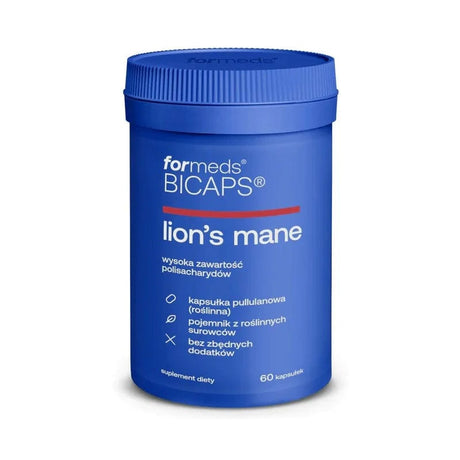
In practical terms, Lion's Mane is traditionally and increasingly used to support cognitive functions such as perception, attention, memory, and concentration. Researchers are also exploring its potential relevance to neurodegenerative conditions, though this work remains in its early stages. For supplements focused on mental clarity and brain health, explore the brain and cognitive health collection at Medpak.




 10% off


Broader Health Applications of Hericium
Immune System Support
Like other medicinal mushrooms, Lion's Mane may help support overall immune function. Its polysaccharides and beta-glucans are traditionally associated with enhanced immune cell activity, helping the body maintain its natural defences — particularly during seasonal changes and periods of increased exposure to pathogens. For a wider range of immunity-focused products, browse the immune system supplements at Medpak.
Digestive Health
Hericium has a long traditional history of use for gastrointestinal support. It is associated with improved stomach and liver function, and research has explored its potential benefits for various digestive conditions, including inflammation of the digestive tract and gastric discomfort. These traditional uses align with its broader profile as a mushroom that supports the body from the inside out. Related products are available in the digestive system collection.
Cardiovascular and Metabolic Wellness
Studies suggest that Lion's Mane may contribute to cardiovascular health by supporting healthy cholesterol levels. Additionally, research has explored its potential role in blood sugar management — the mushroom appears to influence the activity of the alpha-glucosidase enzyme, which plays a role in glucose metabolism. While more research is needed, these findings position Hericium as a mushroom of interest for metabolic wellness.
Mood and Emotional Balance
One of the more intriguing areas of Lion's Mane research involves the hippocampus — the brain region responsible for emotional processing. Early studies suggest that Hericium extract may help reduce feelings of anxiety and low mood. Research involving women during menopause showed reduced feelings of irritability and restlessness after regular supplementation. While these studies are still in early phases, the results are considered promising by the scientific community.
Dosage and How to Choose a Good Supplement
Lion's Mane can be consumed directly as a food ingredient, but availability of fresh mushrooms in Europe is limited. The most practical option is a supplement in capsule, tablet, or powder form. When choosing a product, keep the following in mind:
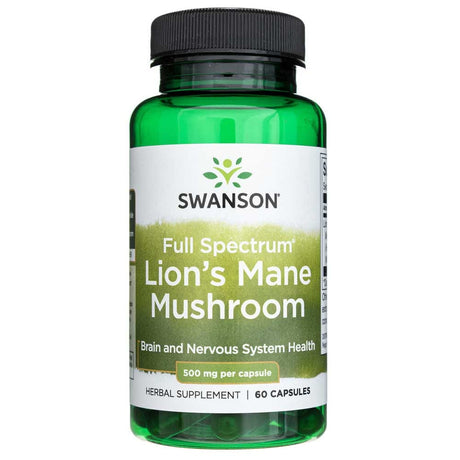
- Effective daily dose — according to general guidelines, approximately 500 mg of Hericium extract per day is considered effective. Most quality supplements contain this amount in a single capsule.
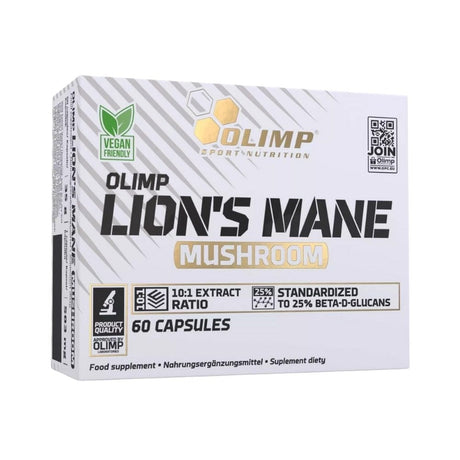
- Extract vs powder — standardised extracts offer more consistent potency than raw mushroom powder. Look for products that specify polysaccharide or beta-glucan content.
- Trusted source — because Lion's Mane supplements are not regulated as pharmaceuticals, quality can vary. Choose products from established brands like Aliness, Formeds, MycoMedica, Yango, or Swanson that follow transparent manufacturing standards.
- Follow the manufacturer's dosage — since active substance concentrations vary between products, always follow the specific instructions on the label.
Swanson
Swanson Full Spectrum Lion's Mane Mushroom 500 mg - 60 Capsules
Regular price €5.49Unit price€0.09 each




Lion's Mane Around the World — and What Comes Next
Lion's Mane is used globally in diverse ways. In some markets, powdered Hericium is added to coffee as a cognitive booster — it does not alter the taste of the drink but may support mental clarity and focus. In Asia, it is also appearing as an ingredient in skincare products, with Japanese researchers noting its potential benefits for skin, hair, and nail condition.
For now, in most European countries, Lion's Mane remains classified as a dietary supplement rather than a pharmaceutical. This means quality standards can vary — which is why sourcing from trusted brands and verified retailers matters. At Medpak, all Lion's Mane and medicinal mushroom products come from established manufacturers and are shipped from within the EU for fast, hassle-free delivery across Europe.
Key Takeaway: Lion's Mane (Hericium erinaceus) is one of the most promising medicinal mushrooms, with a unique focus on brain and nervous system support backed by growing scientific interest. Its hericenones and erinacines — compounds that may stimulate nerve cell growth — set it apart from other functional mushrooms. Choose a standardised extract from a trusted brand, follow recommended dosage guidelines, and consult a healthcare professional if you have any health concerns.
This article is for information only and does not replace medical advice. If you have health concerns, are pregnant, breastfeeding or taking medication, consult a doctor or pharmacist. Dietary supplements are not a substitute for a varied diet.


