

For people training very hard, diet alone may not always be enough to achieve the results they are working towards. The supplement market offers an enormous range of products — from basic vitamins to complex stacks — and the sheer variety makes choosing wisely genuinely difficult. Which supplements are worth using when training hard? Do you need all types? The honest answer is: it depends entirely on your goals, your diet, and your training volume. But without a solid diet and consistent training, even the most expensive supplements will make little difference. Supplements work in context, not instead of fundamentals.
Creatine: The Most Evidence-Backed Training Supplement
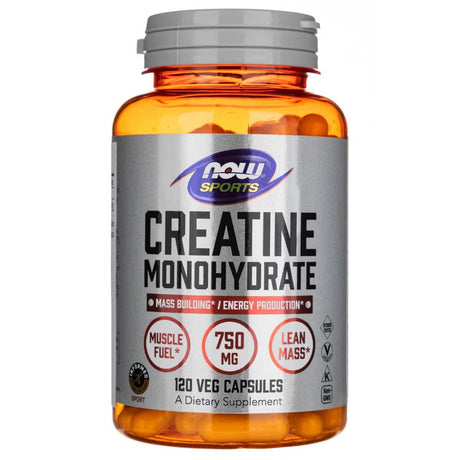
Creatine monohydrate is the single most studied and reliably effective supplement for strength and power-based training. It works by increasing the body's phosphocreatine stores, which are used to rapidly regenerate ATP — the immediate energy currency for high-intensity muscle contractions. Practically, this means being able to sustain greater effort in the final reps of a set, recover faster between sets, and train with higher overall volume over time.
The strength of creatine's evidence base is exceptional: hundreds of clinical trials consistently demonstrate improvements in strength, power output, and lean muscle mass with supplementation. It also enhances cell volumisation — drawing water into muscle cells — and has been shown to improve protein synthesis. Creatine is found in small amounts in red meat and fish, but not at levels sufficient to meaningfully raise muscle phosphocreatine stores — supplementation is necessary to achieve performance-relevant concentrations. Creatine monohydrate remains the gold standard form; more expensive forms have not consistently demonstrated superior results. Our dedicated creatine collection covers monohydrate, malate, and combination formulas.
Whey Protein: Practical Protein Timing Support
Whey protein is by far the most widely purchased sports supplement, and for good reason. It is a complete protein — containing all nine essential amino acids — with one of the highest biological values of any protein source. It is rapidly digested and absorbed, making it particularly well-timed around training windows: immediately after training and, for many athletes, upon waking.
That said, whey protein is a food supplement — concentrated protein — not a special anabolic compound. If your total daily protein intake from food already meets your requirements (typically 1.6–2.2 g per kilogram of body weight per day for active individuals in strength training), additional whey is unnecessary. Its value is primarily convenience: it is fast, portable, and easy to hit daily protein targets without relying entirely on whole food sources. Whey isolate offers higher protein content per gram with lower lactose and fat, making it preferable for those with lactose sensitivity or during caloric restriction phases. Browse our full protein powders collection for whey concentrate, isolate, and plant-based alternatives.
BCAAs: When They Make Sense
Branched-chain amino acids — leucine, isoleucine, and valine — are the amino acids most directly involved in muscle protein synthesis, with leucine acting as the primary anabolic signal. BCAAs can contribute to reducing muscle protein breakdown during training and may support faster recovery, particularly when training in a fasted state, during caloric restriction, or when daily protein intake from food is insufficient to fully cover requirements.
One important nuance: if you are already consuming adequate total protein — including complete sources like whey, eggs, or meat — additional BCAA supplementation is unlikely to provide meaningful extra benefit, since your diet already contains these amino acids in sufficient quantities. BCAAs are most relevant as a targeted tool in specific contexts: fasted training, periods of very high training volume, or where whole food protein is genuinely difficult to consume. Our amino acids collection includes BCAAs alongside EAAs (essential amino acids) and individual amino acid supplements.
Omega-3 Fatty Acids: Recovery and Overall Health
EPA and DHA — the long-chain omega-3 fatty acids found in fish oil — contribute to normal heart function and support recovery in active individuals through their anti-inflammatory properties. Hard training creates acute inflammation as part of the adaptation process; while some inflammation is necessary for training adaptations, chronic low-grade inflammation from insufficient recovery and poor nutrition impairs performance over time. Omega-3s help manage this balance.
Research also suggests omega-3 supplementation may support muscle protein synthesis directly — EPA and DHA appear to sensitise muscle tissue to the anabolic signal of leucine. This effect is of particular interest for older athletes, in whom muscle protein synthesis is blunted, but is relevant across training ages. Omega-3s additionally support joint health, cognitive function, and cardiovascular efficiency — broad benefits that compound over a sustained training career. Our fish oil and omega-3 collection covers a wide range of EPA/DHA concentrations.
Vitamins and Minerals: The Foundation That Cannot Be Skipped
Vitamins and minerals are perhaps the least glamorous supplement category, but for athletes they are among the most consequential. Hard training significantly elevates requirements across the board — vitamins and minerals are consumed faster, lost in sweat, and required in greater quantities to support the enzymatic processes underlying energy metabolism, muscle repair, and immune function.
A few minerals deserve specific attention in the training context:
- Magnesium — lost in sweat, required for ATP synthesis, muscle relaxation, and protein synthesis; deficiency is common among athletes and manifests as muscle cramps, poor sleep, and reduced recovery. Our magnesium collection includes multiple forms suited to active individuals
- Zinc + Magnesium (ZMA-type formulations) — the combination of zinc, magnesium, and vitamin B6 is specifically associated with supporting testosterone levels and hormonal balance in athletes; zinc is also required for immune function and tissue repair
- Vitamin D3 — supports muscle function, immune resilience, and bone health; deficiency is widespread and directly associated with reduced athletic performance
- Iron — essential for oxygen transport; particularly relevant for endurance athletes and women
A broad-spectrum multivitamin or targeted mineral supplementation is a practical insurance policy for athletes whose diets, however good, rarely hit every micronutrient target consistently across weeks of hard training.


Now Foods
Now Foods Creatine Monohydrate 750 mg - 120 Veg Capsules
Regular price €15.39Unit price€0.13 each


BioTech USA
BioTech USA 100% Micronized Creatine Monohydrate - 300 g
Regular price €13.09Unit price€43.63 /kg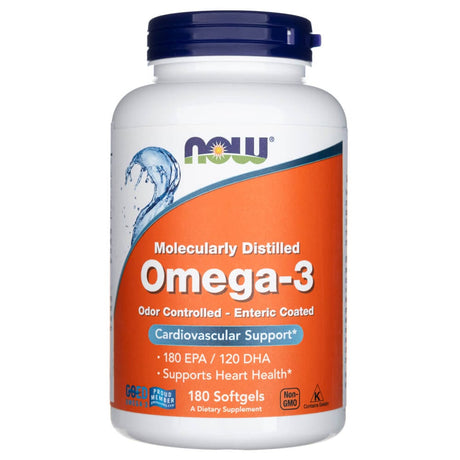


Now Foods
Now Foods Omega-3 Molecularly Distilled & Enteric Coated - 180 Softgels
Regular price €22.69Unit price€0.13 each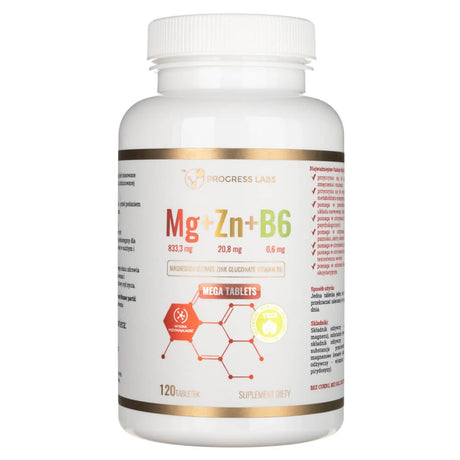


Progress Labs
Progress Labs Magnesium + Zinc + Vitamin B6 - 120 Tablets
Regular price €7.19Unit price€0.06 each

 10% off
Ostrovit
Ostrovit Magnesium Citrate 400 mg + B6 - 90 Tablets
Sale price €4.22 Regular price €4.69Unit price€0.05 each


Vitaler's
Vitaler's Sport Micronized Creatine Monohydrate 5000 mg - 500 g
Regular price €11.89Unit price€23.78 /kg


Browse our full sports nutrition collection and sports and fitness supplements for a comprehensive range of training support products.
This article is for information only and does not replace medical advice. If you have health concerns, are pregnant, breastfeeding or taking medication, consult a doctor or pharmacist. Dietary supplements are not a substitute for a varied diet.


