

There is probably not a person who has not come across the wild rose at least once in nature. This beautiful and fragrant flower is not only a source of aesthetic admiration. The fruit of Rosa canina — wild rosehip — is a remarkably rich source of vitamin C and a broad array of bioactive nutrients, making it one of the most potent natural health-promoting plants growing across Europe. There are countless reasons why the rose is considered the queen of flowers, both in cosmetics and medicinal preparations, and appreciated by young and old alike. Here are the reasons to take a closer interest in the properties of rosehip.
Nutritional Composition: More Than Just Vitamin C
The extraordinary standing of rosehip as a health plant rests primarily on its vitamin C content — but it is far from the only active constituent. Wild rosehip fruit contains an exceptional combination of compounds that work together rather than in isolation:
- Vitamin C (ascorbic acid) — the defining nutrient; fresh rosehip contains 20–40 times more vitamin C than citrus fruit by weight, making it one of the most concentrated plant sources in temperate Europe
- Carotenoids — including beta-carotene, lycopene, and zeaxanthin; responsible for the fruit's characteristic red-orange colour and contributing antioxidant and skin-supporting effects
- Flavonoids and polyphenols — including quercetin and rutin, which enhance the activity of vitamin C and contribute anti-inflammatory properties
- Vitamins A, E, K, and B-group — providing a broad nutritional complement to the dominant vitamin C
- Organic acids — malic, citric, and tartaric acids support digestion and contribute to the fruit's preservative effect
- Pectin and tannins — soluble fibre and astringent compounds that support gut health and reduce inflammation
- Essential oils and anthocyanins — adding antimicrobial and circulatory-supportive properties
This combination makes rosehip what it is often described as: a genuine nutritional and medicinal complex in a single small fruit.
Vitamin C: Rosehip's Greatest Strength
Rosehip's vitamin C content is the primary reason for its exceptional reputation. Fresh rosehip fruit typically contains 400–800 mg of vitamin C per 100g — compared to approximately 50 mg per 100g in oranges. Polish rosehip juices have recorded declared vitamin C contents of up to 450 mg per 100 ml, among the highest of any European food product. This exceptional concentration made rosehip a practical and important source of vitamin C in Europe during periods when citrus fruits were unavailable or unaffordable.
Vitamin C contributes to normal immune function, normal collagen synthesis (which supports skin, bones, cartilage, and blood vessels), normal energy metabolism, reduced fatigue, and protection of cells from oxidative stress. In rosehip, vitamin C is accompanied by bioflavonoids — particularly rutin and quercetin — which are believed to enhance its bioavailability and synergise with its antioxidant activity. Browse our vitamin C collection, which includes a wide range of rosehip-based options.
Immune and Anti-inflammatory Support
The combination of vitamin C, carotenoids, flavonoids, and tannins gives rosehip strong antioxidant and anti-inflammatory credentials. Vitamin C's well-documented contribution to normal immune function, combined with the anti-inflammatory polyphenols unique to rosehip, makes it a practical choice for immune support — particularly during autumn and winter. Research has also investigated rosehip extract specifically for its anti-inflammatory effects in joint conditions: clinical studies in osteoarthritis patients have shown that a standardised rosehip powder preparation can meaningfully reduce pain and stiffness, with an effect size comparable to some conventional treatments. This adds an evidence base beyond its general antioxidant properties. Our immune system collection includes rosehip-based supplements alongside other seasonal support options.
Skin Health: Inside and Out
Vitamin C is essential for collagen biosynthesis — it is a co-factor for the enzymes that form and cross-link collagen fibres, giving connective tissue its structure and resilience. This makes adequate vitamin C intake directly relevant to skin firmness, wound healing, and the prevention of premature skin ageing. The high vitamin C content of rosehip, combined with its carotenoids and organic fruit acids, produces multiple skin-relevant effects:
- Brightening — carotenoids and vitamin C together inhibit excess melanin synthesis, reducing hyperpigmentation, evening skin tone, and lightening freckles and age spots
- Collagen support — sustained vitamin C intake supports the structural integrity of skin, improving firmness and reducing the depth of existing lines
- Antioxidant protection — neutralising free radicals that cause UV-related and environmental oxidative damage to skin cells
- Anti-acne and anti-inflammatory — rosehip's mild exfoliating organic acids and anti-inflammatory polyphenols help reduce acne-related inflammation and improve skin texture
Rosehip oil — extracted from the seeds rather than the fruit flesh — is also widely used in cosmetics for its high content of linoleic and linolenic fatty acids, which support the skin barrier and reduce transepidermal water loss. It is a common ingredient in face oils, anti-ageing serums, and moisturisers. For skin health from within, our hair, skin and nails collection and collagen supplements include options combining rosehip with collagen and other skin-supportive nutrients.
Cardiovascular Support
Rosehip contributes to cardiovascular health through several mechanisms. Vitamin C supports normal collagen synthesis in blood vessel walls, maintaining their structural integrity, elasticity, and resistance to damage. The flavonoid rutin specifically strengthens capillary walls and reduces their permeability — relevant for people prone to bruising, spider veins, or fragile blood vessels. Rosehip's polyphenols have demonstrated modest LDL cholesterol-lowering effects in research, and its anti-inflammatory action reduces one of the key drivers of endothelial dysfunction. Regular consumption of rosehip as part of a varied diet is a practical contribution to vascular health maintenance.
Forms of Rosehip: Tea, Powder, Juice, and Supplements
Rosehip is available in several practical forms, each with different characteristics:
- Dried fruit tea — a traditional preparation, pleasant-tasting and accessible; vitamin C content is reduced by heat and prolonged processing but remains meaningful
- Rosehip powder — made from dried fruit; preserves a higher proportion of active compounds than boiled tea and is easily added to smoothies, juices, or yogurt
- Rosehip juice — a concentrated liquid form with high vitamin C content when cold-pressed and minimally processed; traditional in Polish and Scandinavian wellness traditions
- Vitamin C with rosehip extract capsules/tablets — standardised supplements combining ascorbic acid with rosehip bioflavonoids for enhanced absorption and synergistic activity; the most practical form for consistent daily supplementation
- Rosehip seed oil — for topical skin use; a cosmetic ingredient rather than an oral supplement


Now Foods
Now Foods Vitamin C-1000 with Rose Hips & Bioflavonoids - 100 Tablets
Regular price €10.09Unit price€0.10 each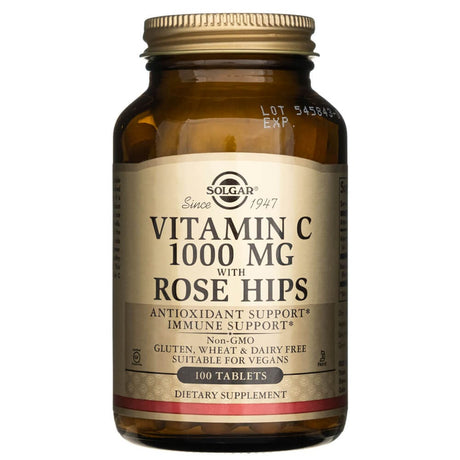


Solgar
Solgar Vitamin C 1000 mg with Rose Hips - 100 Tablets
Regular price €14.89Unit price€0.15 each


Swanson
Swanson Vitamin C with Rose Hips 1000 mg - 90 Capsules
Regular price €6.99Unit price€0.08 each


Vitaler's
Vitaler's Vitamin C with Rosehip 1000 mg - 60 Capsules
Regular price €4.69Unit price€0.08 each
Progress Labs
Progress Labs Rosehip, Natural Vitamin C - 300 g
Regular price €17.49Unit price€58.30 /kg
Purelab Marek Skoczylas
Skoczylas Vitamin C (Rose Hips, Chokeberry, Acerola) - 60 Capsules
Regular price €9.19Unit price€0.15 each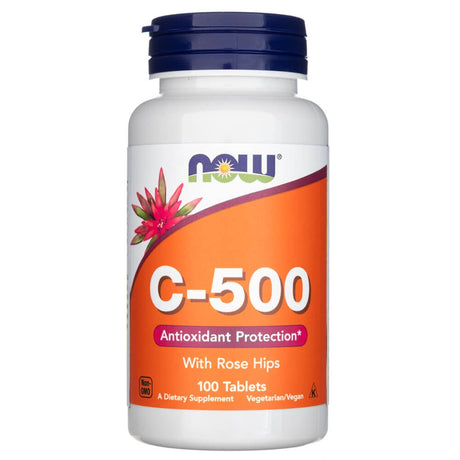


Now Foods
Now Foods Vitamin C-500 with Rose Hips - 100 Tablets
Regular price €6.19Unit price€0.06 each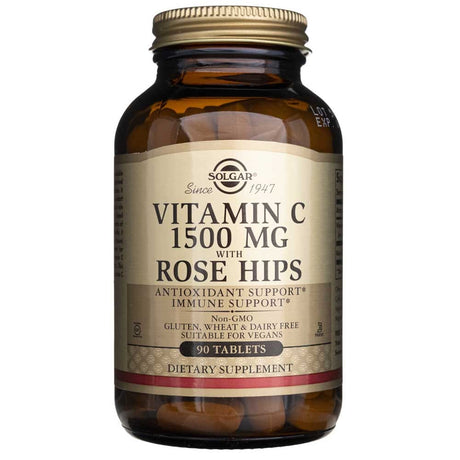


 10% off
Solgar
Solgar Vitamin C 1500 mg with Rose Hips - 90 Tablets
Sale price €19.14 Regular price €21.29Unit price€0.21 each


This article is for information only and does not replace medical advice. If you have health concerns, are pregnant, breastfeeding or taking medication, consult a doctor or pharmacist. Dietary supplements are not a substitute for a varied diet.


